
 TIG Self-Advocacy Guidance Google Site
Transition Improvement Grant
TIG Resources

The Transition Improvement Grant (TIG) offers a variety of resources to support high-quality transition planning. Below are some of the most frequently visited and recently added resources on our website. Each topic links to a webpage or resource with guidance, tools, and information to support transition planning and improve outcomes for students with IEPs.
To explore, move across the bar from left to right and click a topic to learn more. To learn more about TIG, click the Read More button below.
Read more about TIG ResourcesBeyond Age 18 Programming
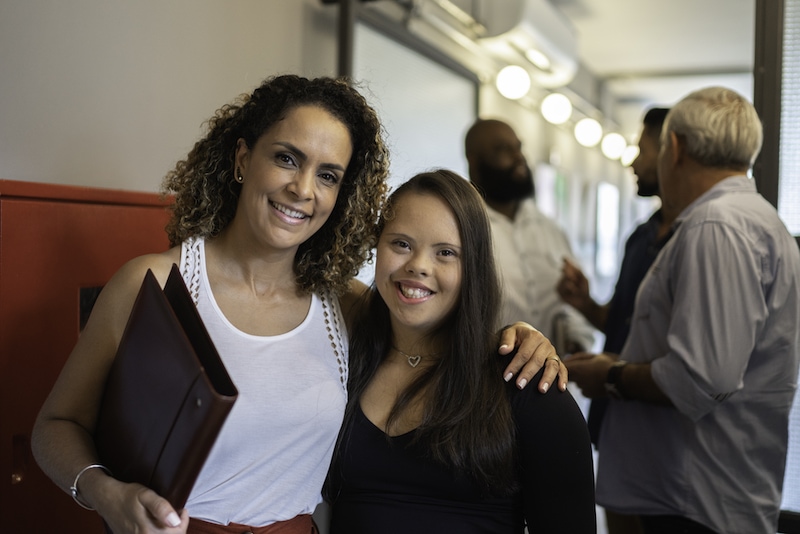
The Beyond Age 18 website provides guidance for teams supporting students with IEPs who continue in high school after their same age peers graduate. Resources help teams plan individualized supports, build skills for adult life, and coordinate services with transition partners. Visit this webpage and the Transition Programing Beyond Age 18 Guidance for more information.
Read more about Beyond Age 18 ProgrammingSelf-Advocacy Guidance

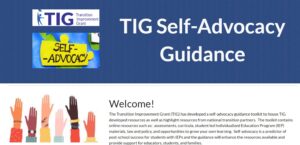
The Transition Improvement Grant (TIG) has developed a self-advocacy guidance toolkit to house TIG developed resources as well as highlight resources from national transition partners. Visit the guidance to learn more.
Read more about Self-Advocacy GuidanceTransition Services/Pre-ETS

Transition services are activities and supports in the Postsecondary Transition Plan (PTP) that help students with IEPs achieve their postsecondary goals and prepare for life after high school. View the Transition Services webpage to explore the 6 basic componets to transition services/Pre-ETS as outlined by WIOA law through general information and key resources.
Read more about Transition Services/Pre-ETSTransition Assessment
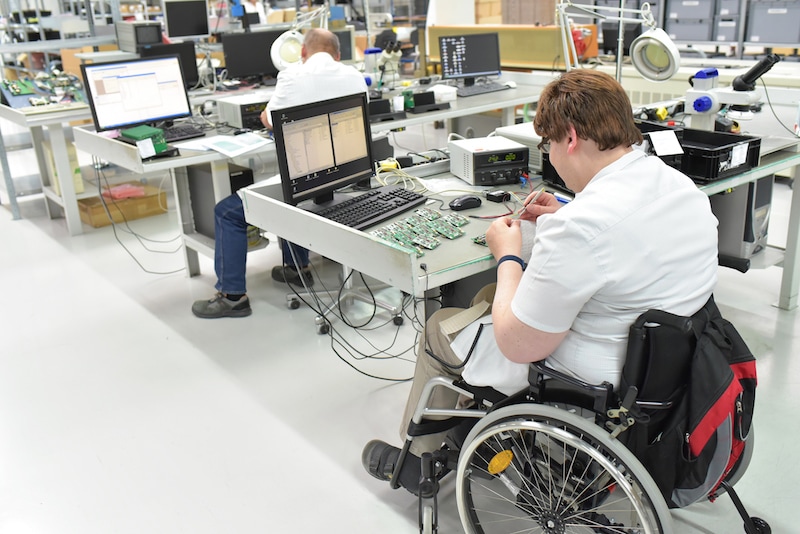
Transition assessment is an ongoing process that helps identify a student’s preferences, interests, needs, and strengths. In Wisconsin, it begins during the IEP year when a student turns 14 and is required to guide measurable postsecondary goals and the Postsecondary Transition Plan (PTP). To learn more, review the Transition Assessment Guide at the bottom of the webpage.
Read more about Transition AssessmentWiTransition App
The WiTransition App is a web-based, student-centered tool designed to support transition planning. It mirrors the structure of the Postsecondary Transition Plan, but it presents it in clear, student-friendly language. The goal is to create a shared space where students, families, and educators can all see and talk about the same plan, using language that makes sense to everyone. Visit this webpage for access to the app and supporting resources.
Read more about WiTransition App25-26 PTP Tips Guide
This guide offers practical tips for using the PTP application, including compliance guidance, report instructions, and problem-solving strategies. In Wisconsin, every student turning 14 or older must have a Postsecondary Transition Plan (PTP) developed and submitted to DPI within 30 days of their IEP meeting, and it must be reviewed and updated at each annual IEP Team meeting. Review this document for PTP tips to review throughout the school year.
Read more about 25-26 PTP Tips GuideTransition Activities Timelines
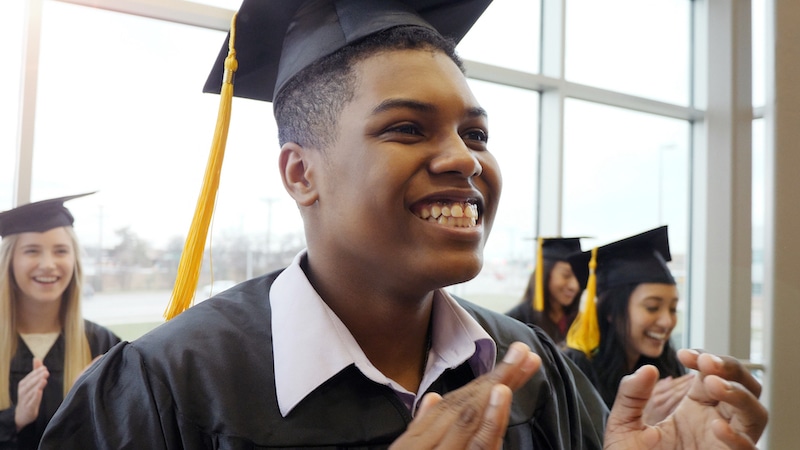
The Transition Improvement Grant (TIG) has compliled a resource to encompass transition activities to consider at all grade levels to assist youth, families, and educators in navigating through the transition process. Review this resource to assist in student transition planning.
Read more about Transition Activities TimelinesCulturally Responsive Practices

One of Wisconsin’s greatest strengths is its growing diverse population. Unfortunately, racial disparities in education, employment, and health pose challenges to the prosperity of individuals and families, and the state as a whole. High school completion is an important step toward success for all youth. Providing culturally and linguistically responsive (CLR) classroom and school wide practices is critical to ensuring every child is a graduate, college, career and community ready. Visit this webpage and the CLRP Educator Reflection for more information.
Read more about Culturally Responsive PracticesSupporting Justice Involved Youth

The Transition Improvement Grant has developed this resource to support individuals who support justice involved youth with disabilities. It offers helpful resources, strategies, and best practices designed to foster a positive learning environment and enhance the educational experience for justice involved youth. This resource also focused on best practices to ensuring a smooth transition to post-school support that includes increased family/caregiver engagement, education, employment and mental health. Visit this google site for more information.
Read more about Supporting Justice Involved YouthSummary of Performance (SoP)
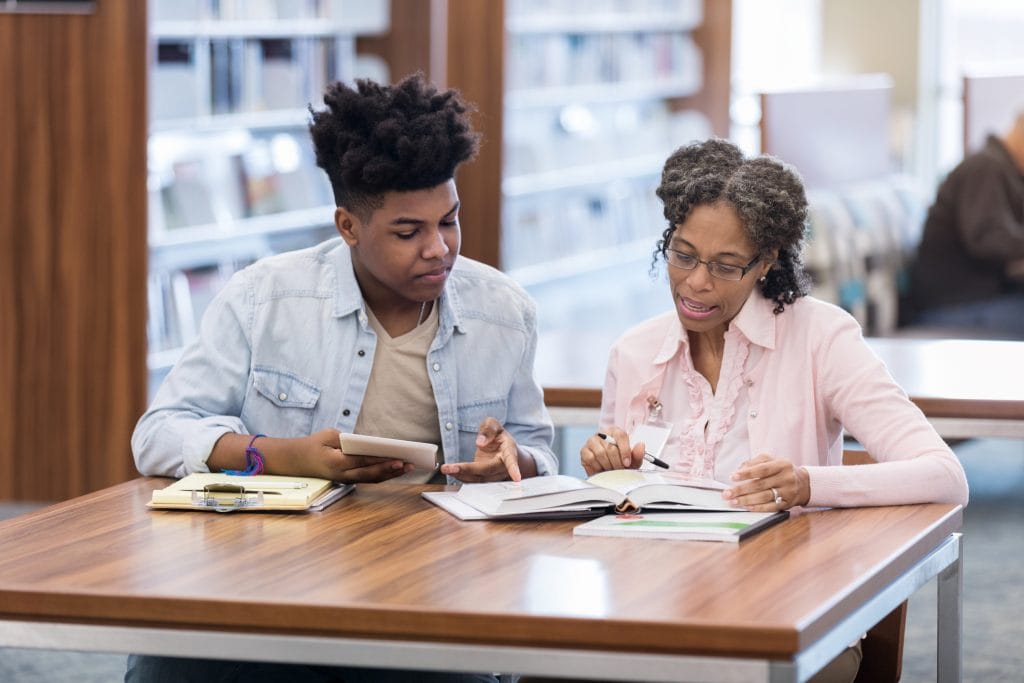
The Summary of Performance was made a requirement for students with disabilities upon the reauthorization of IDEA in 2004. The SoP is required for students with disabilities who:
- Graduate from high school with a regular diploma
- Exit high school due to reaching the maximum age (21)
- Complete a High School Equivalency Diploma (HSED) within a DPI approved General Education Development Option #2 (GEDP #2) program
Visit this webpage for more information.
Read more about Summary of Performance (SoP)County Communities on Transition

A County Community on Transition (CCoT) is a group of transition partners who have made the commitment to collaborate around identifying barriers to transition planning, to organize the supports needed and to develop solutions for youth with disabilities in the local county they serve. Visit this webpage to learn more about CCoTs and find the contact for your local CCoT.
Read more about County Communities on TransitionOur Mission
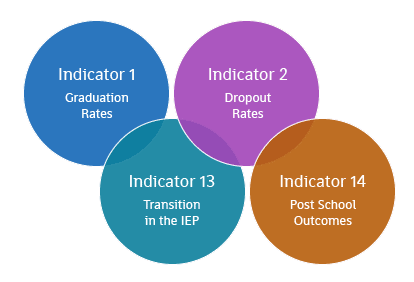
The Transition Improvement Grant (TIG) provides support for continuous improvement and technical assistance in order to change adult practices and district policy that will positively impact the graduation rates and post school outcomes for all students with Individualized Education Programs (IEPs) with an increased focus on closing gaps in access and achievement for students of color.
Upcoming Events
Watertown
Postsecondary Transition Plan (PTP) Training for Educators- Watertown
November 11, 2026Weston
Postsecondary Transition Plan (PTP) Training for Educators- Central, WI
December 3, 2026Burlington
WI Statewide Transition Networking- In Person
December 15, 2026Postsecondary Transition Plan (PTP) Reports- Webinar
January 12, 2027Using “Other” in the Postsecondary Transition Plan (PTP)-Webinar
April 6, 2027Oshkosh
Best Practices in Transition Planning to Increase Engagement in Postschool Outcomes
April 8, 2027Developing a Summary of Performance (SoP)
April 13, 2027Overview of the Indicator 14 Postschool Outcomes Survey